
Compare Kilimanjaro’s drier periods, rainy seasons and summit conditions. Find when to climb, what to pack and how to choose dates with Bundi’s Moshi team.
The best time to climb Mount Kilimanjaro is generally during its drier periods: December to early March and late June to September. Tanzania National Parks (TANAPA) describes these seasonal windows in its Kilimanjaro park brochure. They are a starting point for choosing dates, not a guarantee of clear skies or summit success.
Kilimanjaro climbing seasons at a glance
- December to early March: Generally drier conditions; rain is still possible, especially around seasonal transitions.
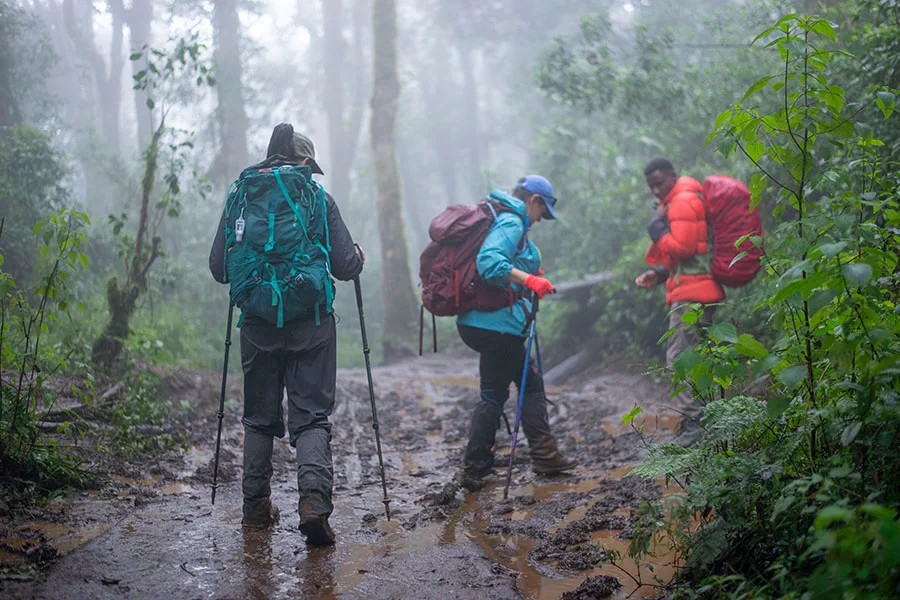
- March to May: The wet season. Expect a greater likelihood of rain, muddy paths and cloud around the mountain.
- Late June to September: Another generally drier period, often preferred for trekking. Cold and changing weather remain possible at altitude.
- October to November: TANAPA identifies the short rains. October is a transition month rather than a reliably dry choice.
Month-by-month guide: when should you climb?
January and February: within the drier window
January and February fall within TANAPA’s December-to-early-March dry period. If you can travel early in the year, they are useful months to consider. Carry waterproof layers as well as warm clothing: a seasonal pattern is not a forecast for your departure.
March: a seasonal transition
Early March can still fall within the drier period, but March also marks the beginning of the wet season in the park’s general climate description. Avoid treating the whole month as reliably dry. Discuss your exact dates and preparedness with our Moshi team.
April and May: the wet season
April and May are within the March–May wet season. Rain can make paths muddy or slippery and make it harder to keep equipment dry. Cloud can reduce views; TANAPA also notes snow accumulation at the peak during the wet season. Choose these dates only after discussing conditions, equipment and itinerary suitability with your guide.
June: aim for the later part of the month
TANAPA describes the next drier period as beginning in late June. Early June may still be transitional. If your dates are flexible, consider late June rather than assuming the whole month has the same conditions.
July, August and September: the second drier window
These months are within TANAPA’s generally drier late-June-to-September window. They are a practical starting point for planning a trek, but clearer seasonal weather does not remove the need for rain protection, warm layers or time to acclimatize.
October and November: short rains
The park brochure places the short rains in October and November. Rain and cloud may affect your trek, though conditions vary between years and elevations. If you must travel then, ask our team about the route and equipment for your specific dates rather than relying on a promise of dry weather.
December: a return toward drier conditions
December is included in TANAPA’s December-to-early-March drier period. The transition from the short rains varies, so there is no fixed date when the weather becomes dry. Plan for changing conditions even during a holiday-season climb.
Rain, visibility and cold: what the season cannot guarantee
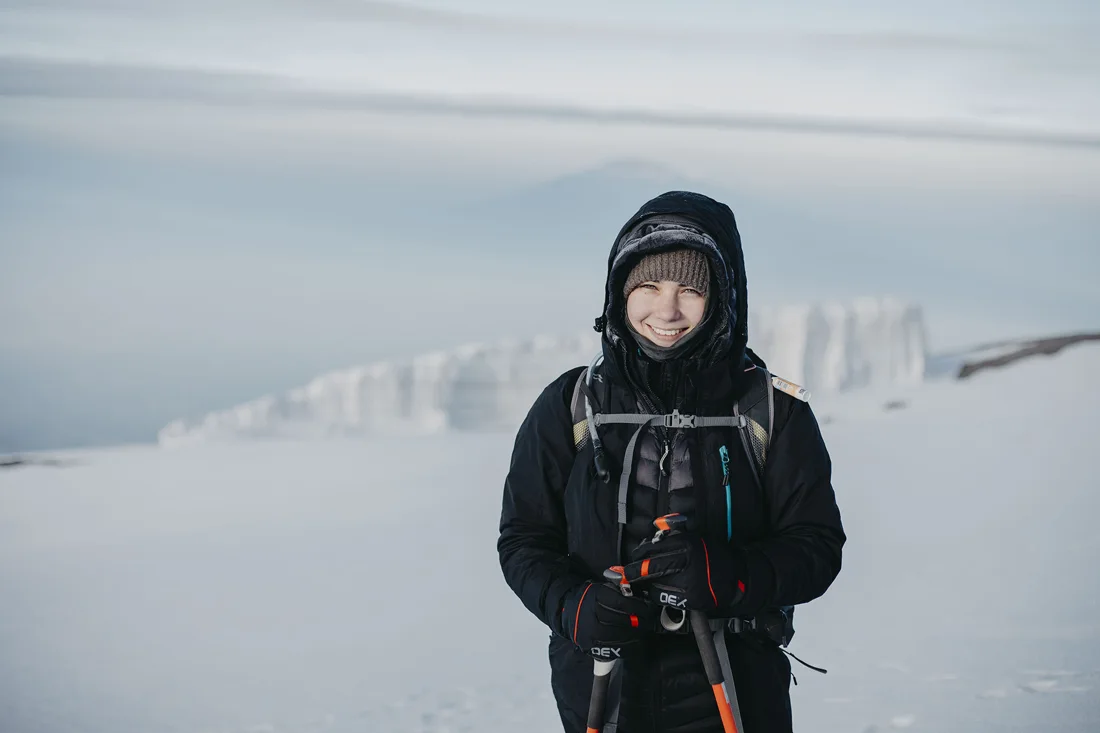
Drier periods are generally more favorable for clear days, but no month guarantees an unobstructed view. Mountain weather changes with elevation; rain lower down can coincide with snow higher up. Cold remains an important consideration on the upper mountain, even when conditions below are dry.
A favorable weather window is not a summit-success prediction. Choose an itinerary with time to acclimatize, prepare for the physical demands, and follow your guide’s advice. Do not shorten your climb simply because you are travelling in a drier month.
Choosing a route for your travel dates
Compare the route, duration and accommodation as well as the month. Bundi’s Kilimanjaro route collection includes Lemosho, Machame, Marangu and Rongai itineraries. Marangu uses shared mountain huts; our other trekking itineraries use camping. Hut accommodation does not remove exposure to rain while walking, and no route eliminates altitude risk.
For a longer camping itinerary, compare the eight-day Lemosho trek. If mountain huts suit your preferences, review the six-day Marangu trek. Ask our team to help match your dates, fitness and available time rather than choosing on weather alone.
What to pack in every season
- Warm layers and suitable cold-weather clothing for the upper mountain.
- Waterproof outer layers and protection to keep your gear dry.
- Comfortable hiking boots suited to wet or uneven trails.
- The equipment in our Kilimanjaro packing checklist.
Common questions about the best time to climb
Is there one best month?
There is no single month that suits every traveller. Start with the generally drier windows, then choose dates that allow adequate preparation and an appropriate itinerary. Conditions on your actual departure remain variable.
Can I plan a climb during the rainy season?
Discuss your dates with Bundi before committing. Wet-season planning needs realistic expectations about rain, trail conditions, clothing and keeping gear dry. A hut-based itinerary is not a guarantee of dry walking conditions.
Does dry weather make the summit easy?
No. Kilimanjaro is still a high-altitude trek. Preparation, acclimatization and decisions made with your guide matter independently of the season.
Plan your climb with Bundi’s Moshi team
Tell us your preferred month, how many days you have and whether you prefer camping or mountain huts. Contact Bundi Travel to discuss a suitable itinerary. An inquiry starts a conversation; it does not confirm a booking.
Sources and weather checks
Seasonal windows in this guide follow the official TANAPA Kilimanjaro National Park brochure. Check the Tanzania Meteorological Authority for current weather information and discuss conditions with your guide close to departure. Regional seasonal outlooks are not a day-by-day forecast for the mountain.